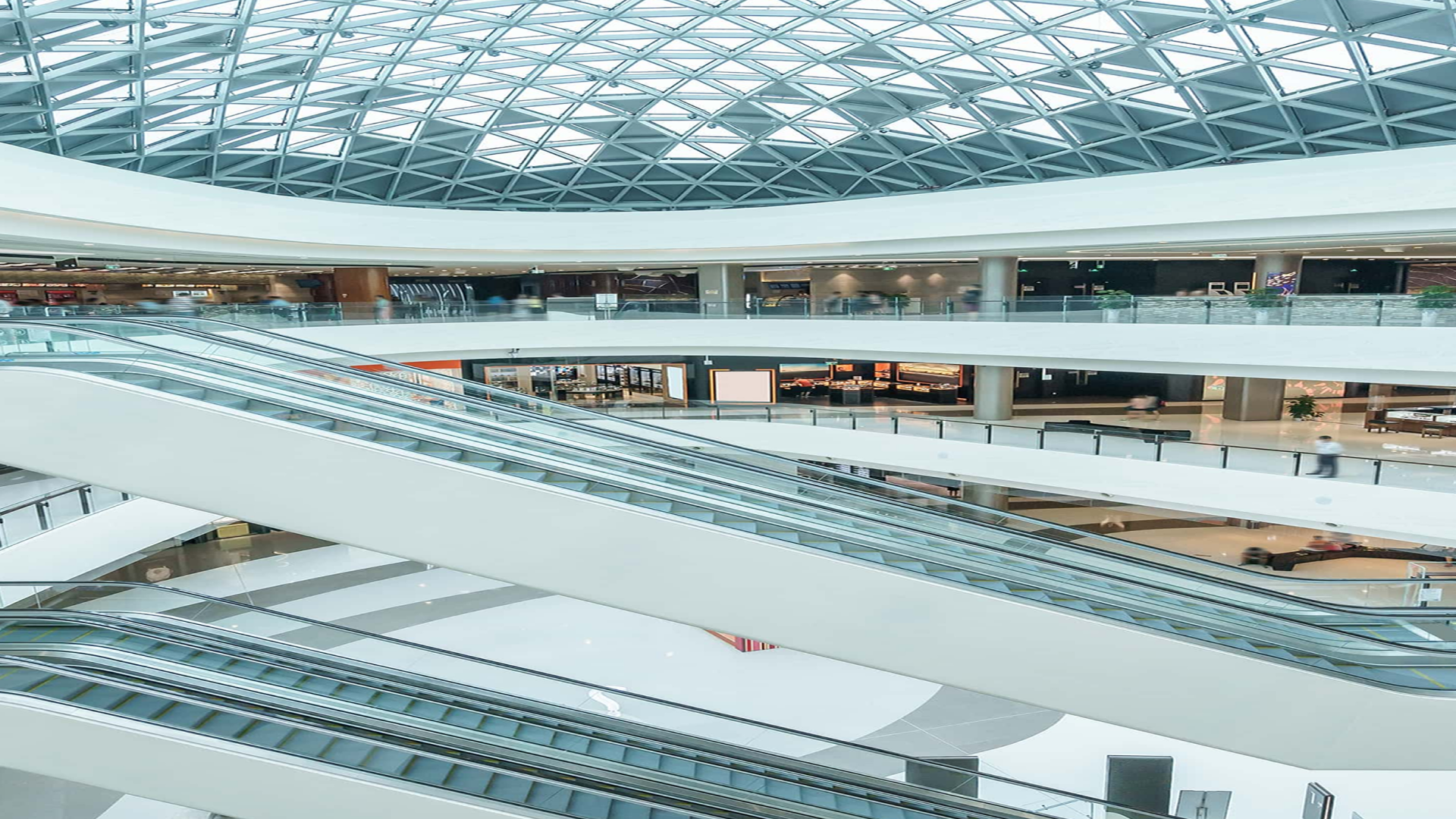
In the world of retail, operational efficiency isn’t just a goal, it’s a necessity. For large retail chains like Tesco, Sainsbury’s, Waitrose, Albert Heijn, Jumbo or Lidl, maintaining the seamless functionality of thousands of stores across the country is a mission-critical task. At the heart of that mission lies a complex web of property management challenges, often underestimated in their scope and impact.
Why Technical Management Is crucial for Retail success
As Head of Technical Management for a national or international retail chain, your role goes far beyond basic upkeep. Every broken chiller, leaky ceiling or delayed repair job has the potential to disrupt operations, affect customer experience, and eat into profit margins. Technical management is no longer a back-office function, it’s front and centre in ensuring that stores can open on time, run efficiently, and deliver on the promise of quality and reliability to customers.
The fragmented reality of multi-landlord relationships
A typical retail chain rents thousands of stores across different locations, each with its own landlord, property manager, or management agency. These stakeholders change frequently, with updated contact details rarely communicated in a consistent or timely manner. For technical teams, this results in hours spent tracking down the right person just to get started on a repair.
A recurring issue? A maintenance request comes in from a store manager, say a roof leak. But the technical team doesn’t know who to contact. Is it the landlord, the property manager, or the owner association? Is there a current list of emergency contacts? Meanwhile, water is dripping onto store shelves, and customers are being turned away.
It’s about providing a clearer, simpler way to collaborate and ensuring that the property is always at the center of every action.
The owner association bottleneck: When decisions get stuck in committee
Many retail stores are housed within mixed-use building complexes that also include flats, retail units, and parking garages. These often fall under the governance of an owner association, which means that even the simplest maintenance decisions must pass through layers of approval from multiple owners and stakeholders.
In practice, this often leads to long delays. In one extreme case, a store couldn’t open due to a leak from a flat above. It took weeks to identify and reach the right contact person, delaying repairs and resulting in significant lost revenue. In another instance, the technical manager had to involve the police just to access the unit causing the issue.
This kind of inefficiency isn’t just frustrating, it’s expensive.
The Internal vs. External ticketing conundrum
Inside the store, ticketing systems for maintenance requests are typically split across multiple departments. Internal issues, like broken shelves or malfunctioning fridges, are handled by store operations. But building-related issues, like electrical faults, HVAC malfunctions, or structural problems, fall to the technical or property teams.
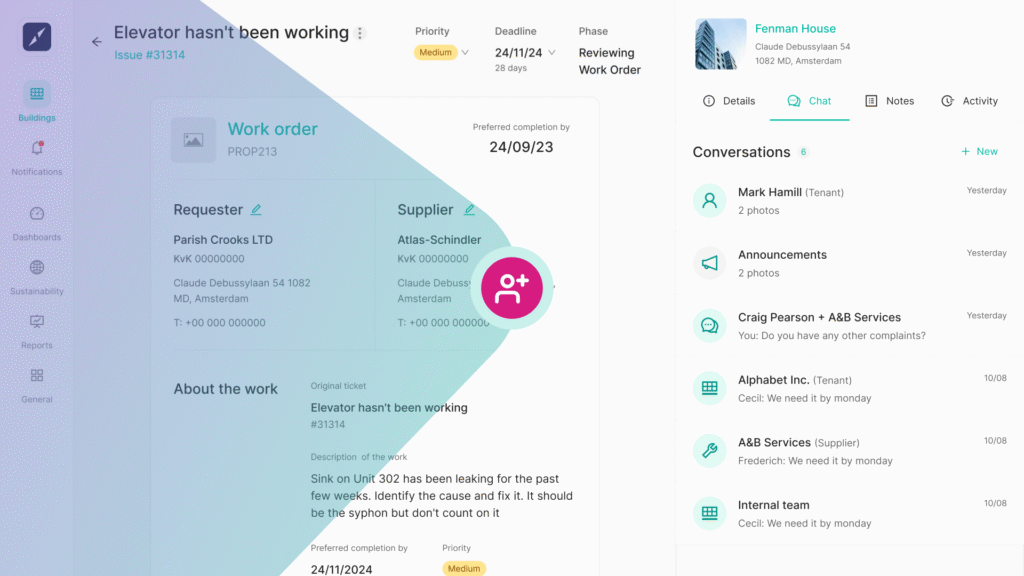
This division often creates confusion. A store manager might raise a ticket about lighting, only to find out later it falls under the remit of an external property manager who needs to be contacted separately. Without a unified platform or clear routing of tickets, critical issues can get lost in the shuffle.
In practice, this often leads to long delays. In one extreme case, a store couldn’t open due to a leak from a flat above. It took weeks to identify and reach the right contact person, delaying repairs and resulting in significant lost revenue. In another instance, the technical manager had to involve the police just to access the unit causing the issue.
This kind of inefficiency isn’t just frustrating, it’s expensive.
A shared challenge that demands a shared mindset
The challenges described above aren’t unique to one chain, they’re systemic. But they’re also symptoms of a wider issue: technical property operations haven’t kept pace with the complexity of modern retail. Communication is fragmented, processes are reactive, and visibility is often limited.
The solution lies in rethinking the operating model entirely.
Collaboration as the foundation for progress
Rather than working in isolation, retail tenants, landlords, property managers and service providers need a shared environment to manage issues, timelines and expectations together. That starts with real-time visibility, transparent responsibilities, and aligned workflows.
A collaborative approach means:
Real-time visibility across all rented properties, landlords, and managing agents.
Automated updates, so technical teams always know who to reach out to.
Smart ticket routing that prevents issues from falling through the cracks.
Shared documentation to support owner association decision-making.
Insights into delays, bottlenecks and resolution times.
This isn’t about new tools, it’s about a new standard for how technical management is handled in retail.
The solution lies in rethinking the operating model entirely.
Looking ahead
Retail chains are already transforming how they operate, from supply chain optimisation to in-store innovation. It’s time for property management to catch up. Because no matter how advanced the operation, it can only run as smoothly as the buildings it depends on.
The future of retail property management lies in shared understanding, structured collaboration, and a unified approach to technical operations. That future is already taking shape.
CEO Blog